Solar energy has become an increasingly attractive solution for Nigerian homes and businesses looking to reduce their dependence on public electricity and fuel-powered generators. With frequent power interruptions and rising energy costs, investing in a reliable solar power system can provide greater convenience, energy independence, and long-term savings.
However, as demand for solar technology grows, buyers must be careful about the products they purchase. Counterfeit, refurbished, relabelled, and substandard solar panels can enter the market with misleading specifications, questionable warranties, or performance levels that fall short of what customers expect. Nigerian energy experts have also raised concerns about counterfeit solar equipment and the financial and safety risks it can create. Source: Phenomenal, July 2026.
At Bluetrack Global Technologies, we believe that choosing solar energy should be an investment in reliability, not an expensive gamble. Understanding how to identify and verify genuine solar panels can help you protect your money and make a more informed purchasing decision.
1. What Are Fake Solar Panels?
Fake solar panels are products that misrepresent their manufacturer, specifications, quality, or authenticity. They may carry counterfeit brand names, altered labels, or wattage ratings that do not reflect their actual performance.
It is also important to distinguish counterfeit products from substandard or refurbished panels. A panel may be genuine but used, damaged, downgraded, or sold outside the manufacturer’s authorised distribution network. These products are not necessarily counterfeit, but they may not offer the performance, condition, or warranty you expect.
For example, a panel advertised as a 550-watt model may produce substantially less power than its stated rating under comparable testing conditions. If you purchase several such panels for your home or business, the resulting shortfall can affect the performance of your entire solar installation.
The lesson is simple: never rely on a brand name or sticker alone. Verify the product itself.
2. Five Reasons You Should Avoid Fake Solar Panels
A. They may produce less electricity than advertised
One of the biggest problems with counterfeit or incorrectly rated solar panels is poor energy production.
Your solar system is designed around your electricity needs. If the panels cannot deliver their expected output, your batteries may take longer to charge, and your system may struggle to power your appliances consistently.
This can be particularly frustrating for businesses that depend on computers, security cameras, lighting, refrigeration, and other electrical equipment throughout the day.
B. They can cost you more money over time
A cheap solar panel may appear to be an excellent bargain, but the initial purchase price does not tell the whole story.
If a panel delivers less power than advertised, you may need additional panels to meet your energy requirements. Premature failures can also lead to replacement costs, labour expenses, and system modifications.
In some cases, what seemed like a way to save money becomes a more expensive investment than purchasing verified equipment from the beginning.
C. They may have unreliable warranties
A manufacturer’s warranty can be one of the most valuable parts of a solar panel purchase. Many established manufacturers provide separate warranties covering product defects and long-term power performance.
However, counterfeit products may not qualify for genuine manufacturer support. Some genuine products purchased through unofficial channels may also have restrictions on regional warranty coverage.
Before buying, confirm that the manufacturer’s warranty applies to the exact model and serial number you are purchasing, and establish how you would make a claim in Nigeria.
D. Poor-quality components can create safety concerns
Solar panels operate as part of an electrical system that includes cables, connectors, mounting structures, inverters, batteries, and protective devices.
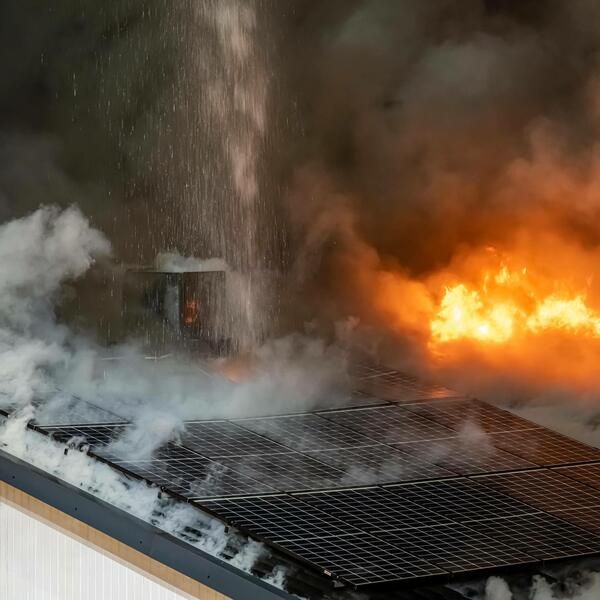
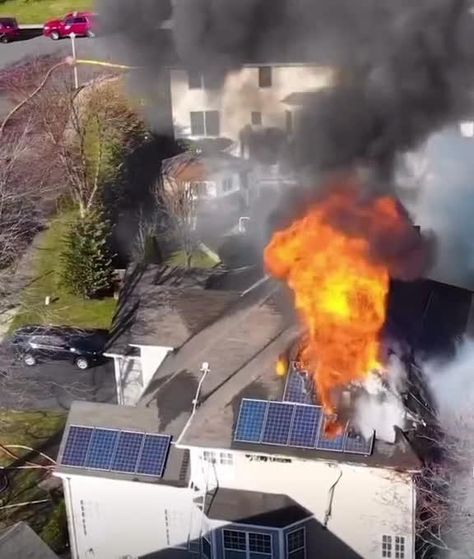
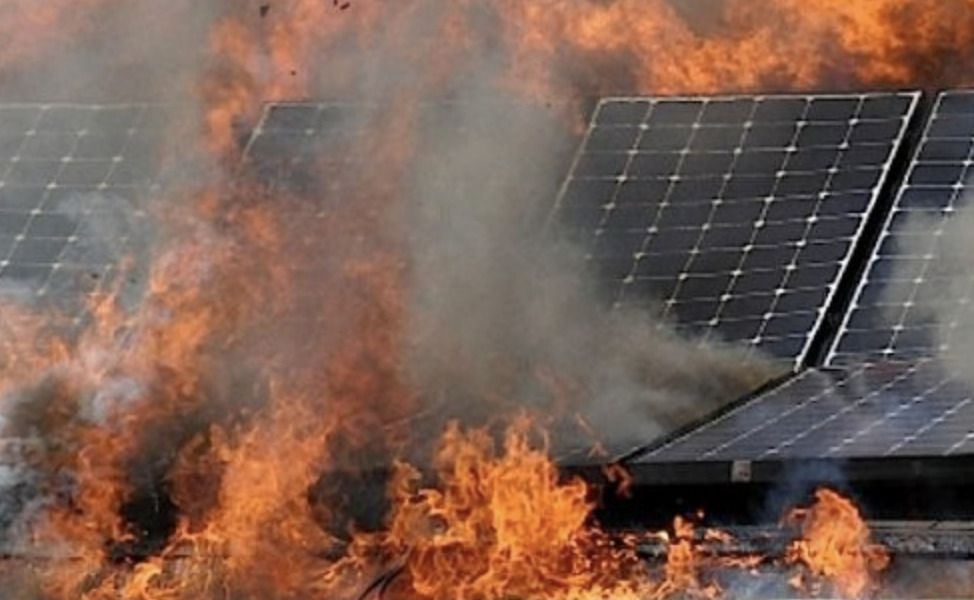
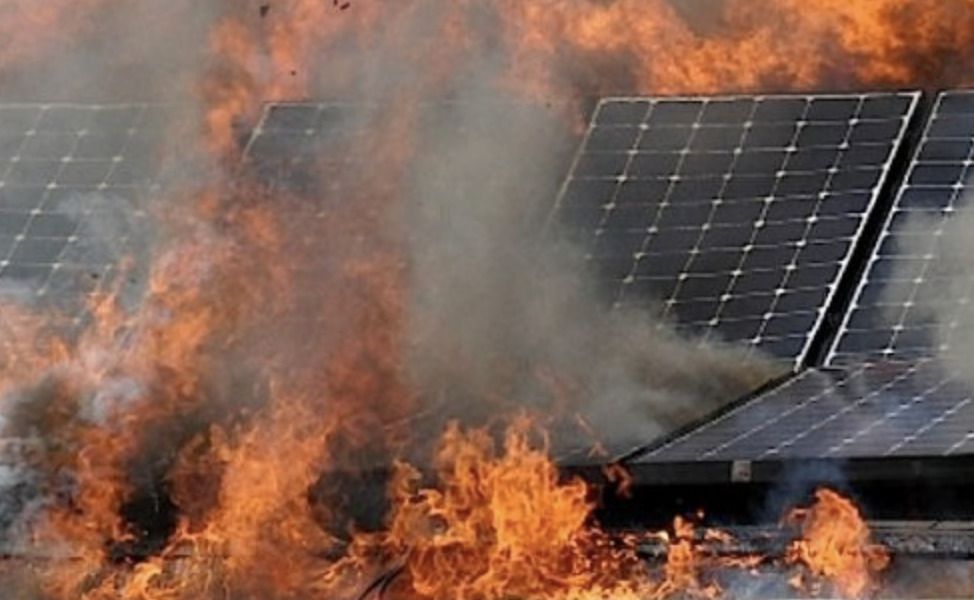
Substandard construction, damaged insulation, poor connections, or defective electrical components can increase the risk of equipment failure and electrical hazards. Poorly made solar equipment can also contribute to overheating and, in some circumstances, fire risks.
A professional installation cannot make counterfeit equipment genuine. Reliable components and correct installation practices are both necessary for a safe solar power system.
E. They can damage the performance of your entire system
Solar panels do not work in isolation. Their electrical characteristics must be compatible with the inverter, charge controller, battery arrangement, and system design.
If panels have incorrect specifications or inconsistent performance, the system may not operate as intended. Depending on the configuration, this can reduce energy production and complicate troubleshooting.
Buying verified products and having them installed by qualified professionals helps reduce these avoidable problems.
3. How to Identify and Verify Genuine Solar Panels
You do not have to be a solar engineer to take sensible precautions before buying. Start with these checks.
Check the manufacturer’s name and model number
Inspect the label on the back of the panel. It should identify the manufacturer, exact model, rated power, and relevant electrical specifications.
Compare those details with the manufacturer’s official product datasheet. The model number and specifications should match.
Be cautious if the label is missing, altered, poorly printed, or inconsistent with the documentation supplied by the seller.
Verify the serial number with the manufacturer
Most established solar panel manufacturers use serial numbers to identify individual modules or production records.
Ask the seller for the panel’s serial number and verify it through the manufacturer’s official website, customer support team, or authorised distributor.
Do not assume that a QR code proves authenticity. Counterfeit products can carry copied codes or QR codes that lead to imitation websites. Open the manufacturer’s official website independently and follow its verification process.
A serial number that cannot be verified is a reason to investigate further, although it does not automatically prove that a product is counterfeit.
Request the official datasheet
A product datasheet explains the panel’s rated power, voltage, current, dimensions, efficiency, and other technical specifications.
Ensure that the document corresponds to the exact model being offered. A datasheet for a similar-looking product or a different wattage rating is not sufficient.
If you are buying panels for a large installation, request the relevant test reports and documentation from the supplier as well.
Examine the panel’s physical condition
Before accepting delivery, inspect the panel for:
- Cracked or chipped glass.
- Damaged frames or loose corners.
- Visible cell cracks or unusual discolouration.
- Loose junction boxes or damaged cables.
- Missing, altered, or inconsistent labels.
- Signs of previous installation, repairs, or refurbishment that were not disclosed.
These checks can reveal visible problems, but a panel that looks perfect is not automatically genuine. Physical inspection should be combined with document and performance verification.
Confirm the certifications
Ask for the applicable certification documents and verify that they cover the exact product model and manufacturer.
For solar modules, IEC 61215 relates to design qualification and type approval, while IEC 61730 addresses module safety qualification. These standards are useful reference points when assessing product documentation.
However, a printed certification logo alone is not proof of compliance. Verify the document with the issuing organisation or relevant certification programme where possible.
Test performance professionally
Where practical, ask a qualified solar technician to assess the panels before installation.
Electrical measurements and specialised testing equipment can help identify damaged modules or discrepancies between claimed and actual performance. Simple voltage readings alone cannot establish a panel’s wattage or prove that it is genuine.
Solar panel output changes with sunlight intensity, temperature, shading, and testing conditions, so results must be interpreted correctly.
4. Warning Signs to Watch Out for When Buying Solar Panels in Nigeria
Be cautious when a seller:
- Offers a price dramatically below comparable products without a credible explanation.
- Cannot provide the exact model number or manufacturer’s datasheet.
- Refuses reasonable serial-number verification.
- Makes promises about performance without supporting specifications.
- Cannot explain the warranty or how to access after-sales support.
- Pressures you to pay immediately before inspecting the goods.
- Supplies products whose labels, documents, or serial numbers do not match.
Remember that low prices alone do not prove a product is fake, and an expensive product is not automatically genuine. The goal is to verify the equipment, seller, documentation, and warranty before committing your money.
5. Why You Should Buy From a Trusted Solar Technology Provider
Choosing a reputable solar provider is about more than purchasing panels. It is about receiving the correct equipment for your needs, transparent product information, professional installation, and support when something goes wrong.
A dependable provider should be willing to explain the specifications of the products being supplied, provide an itemised quotation, clarify warranty terms, and help you understand the expected performance of your proposed system.
Your solar installation should also be designed around your actual electricity consumption. A household with a few lights and fans has different requirements from a business operating refrigerators, computers, air conditioners, and security systems.
Proper system sizing, compatible equipment, appropriate protection, and professional installation all contribute to reliable performance.
6. How Bluetrack Global Technologies Can Help
At Bluetrack Global Technologies, we understand that investing in solar energy is an important decision for homeowners, organisations, and businesses.
Our focus is on providing technology and energy solutions that support reliability, efficiency, and everyday convenience. We help customers explore solar power options suited to their electricity requirements, alongside complementary technologies such as inverters, CCTV surveillance, electric fencing, access control, and smart home systems.
Before making a solar purchase, speak with a knowledgeable provider, ask questions about the equipment, and ensure that the proposed solution matches your needs and budget.
Do not choose a solar system based on price alone. Choose one based on verified specifications, suitability, quality, and dependable support.
Conclusion: Verify Before You Buy
Solar energy can provide significant practical benefits, but those benefits depend on choosing suitable equipment and ensuring that the entire system is properly designed and installed.
Counterfeit and substandard products can expose buyers to disappointing performance, unexpected expenses, warranty difficulties, and avoidable safety risks.
Before purchasing solar panels, verify the manufacturer, check the model and serial number, review the datasheet, inspect the equipment, confirm applicable certifications, and understand the warranty.
A little verification before payment can prevent a great deal of frustration after installation.
Bluetrack Global Technologies: Your trusted partner for security, energy solutions, and smarter technology.
Contact Bluetrack Global Technologies to discuss your solar energy and technology requirements and make a more informed investment in your power needs.